The High Cost of Digital Dependency

In the high-stakes world of enterprise commerce, the most dangerous move a brand can make is building its digital foundation on infrastructure it doesn't control. For years, we have seen a recurring cycle: a new platform emerges, brands pour millions into 'exclusive' content and community building there, and then the platform shifts the goalposts. Whether it's a social media giant or a niche content aggregator, the reality is the same—they are the landlords, and you are a tenant. At Mejix, we advocate for a philosophy of 'Owned Commerce.' This means your primary destination must always be your own domain, running on a stable, flexible architecture like Shopify Plus, where you control the code, the customer data, and the narrative. When you rely solely on third-party ecosystems, you aren't just taking a risk; you are handing over the keys to your brand's equity. True enterprise resilience comes from the realization that while platforms are excellent tools for discovery, they are precarious foundations for a long-term business. We help our clients navigate this by building robust, custom storefronts that serve as the single source of truth for their brand identity and content.
The Core Principle — Don't Build on Rented Land
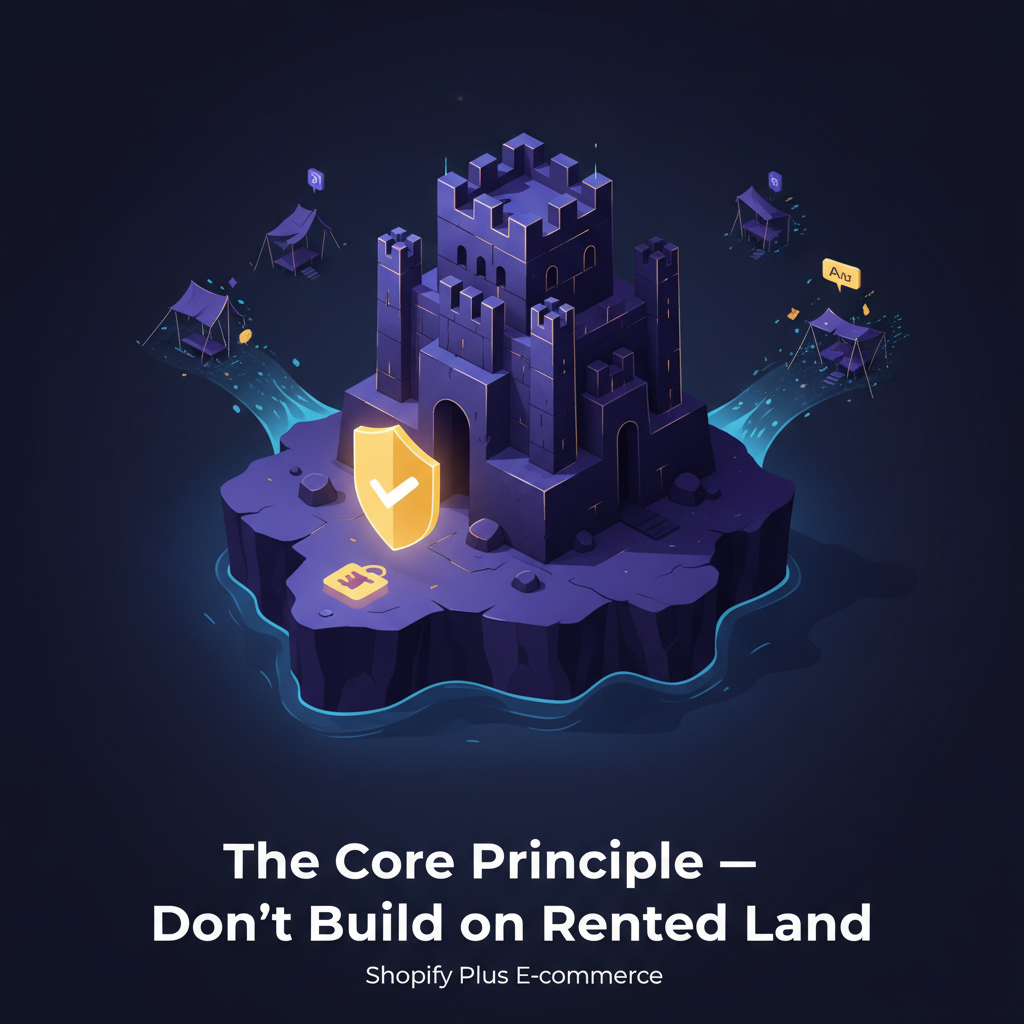
The biggest mistake businesses and creators make is publishing their best content exclusively on third-party platforms. LinkedIn Articles proved this the hard way — LinkedIn quietly deprioritized the feature, pulled it out of the algorithm, and years of carefully written content became virtually invisible overnight with no warning to the people who created it. This wasn't unique to LinkedIn. Over the years, Facebook Pages killed organic reach, Twitter buried chronological feeds, Medium changed its monetization and curation rules, and countless blogs built on Tumblr or Blogger lost their audiences when those platforms lost relevance or changed direction.\n\nThe pattern is always the same: a platform grows, creators invest time and effort building their presence there, the platform optimizes for its own business interests, and the creators pay the price.\n\nThe lesson is simple but consistently ignored: you do not own your audience on someone else's platform. You are a tenant. The landlord can raise the rent, renovate the building, or demolish it entirely — and you have no say.\n\nThe only content that truly belongs to you is content that lives on your own domain. Everything else should be a distribution channel for that content, not the destination.\n\nThe right approach: Own the content → syndicate everywhere else.\n\nPublish first on your own website or domain. Build your email list as a direct line to your audience that no algorithm controls. Then use third-party platforms — Medium, LinkedIn, Substack, X, or whatever emerges next — as amplifiers that point traffic back to what you own. When a platform changes, you adapt your syndication strategy. Your core content and audience remain intact.\n\nRent the billboard. Own the store.
Building Long-Term Brand Equity Through SEO Ownership

For a Shopify Plus merchant, the 'owned land' isn't just a blog; it's the entire shopping experience. Every product description, every customer review, and every educational guide should live natively on your domain. This strategy has a secondary, massive benefit: SEO equity. When you publish high-quality content on a third-party platform, you are essentially gifting your authority to their domain. You are helping Medium or LinkedIn rank higher for keywords that belong to you. By hosting content on your own site, you build a compounding asset. Every link earned and every minute spent on the page contributes to your own site's Domain Authority. At Mejix, we see many brands migrating from Magento or WooCommerce who have lost years of content value because it wasn't strategically centralized. Our migration process focuses on preserving this 'owned' value, ensuring that every piece of intellectual property transferred to Shopify Plus continues to serve the brand's long-term organic growth. You should view your website as a fortress—the stronger its walls (content and data ownership), the more protected you are against the volatile winds of social media algorithms.
Customer Data: The Ultimate Owned Asset
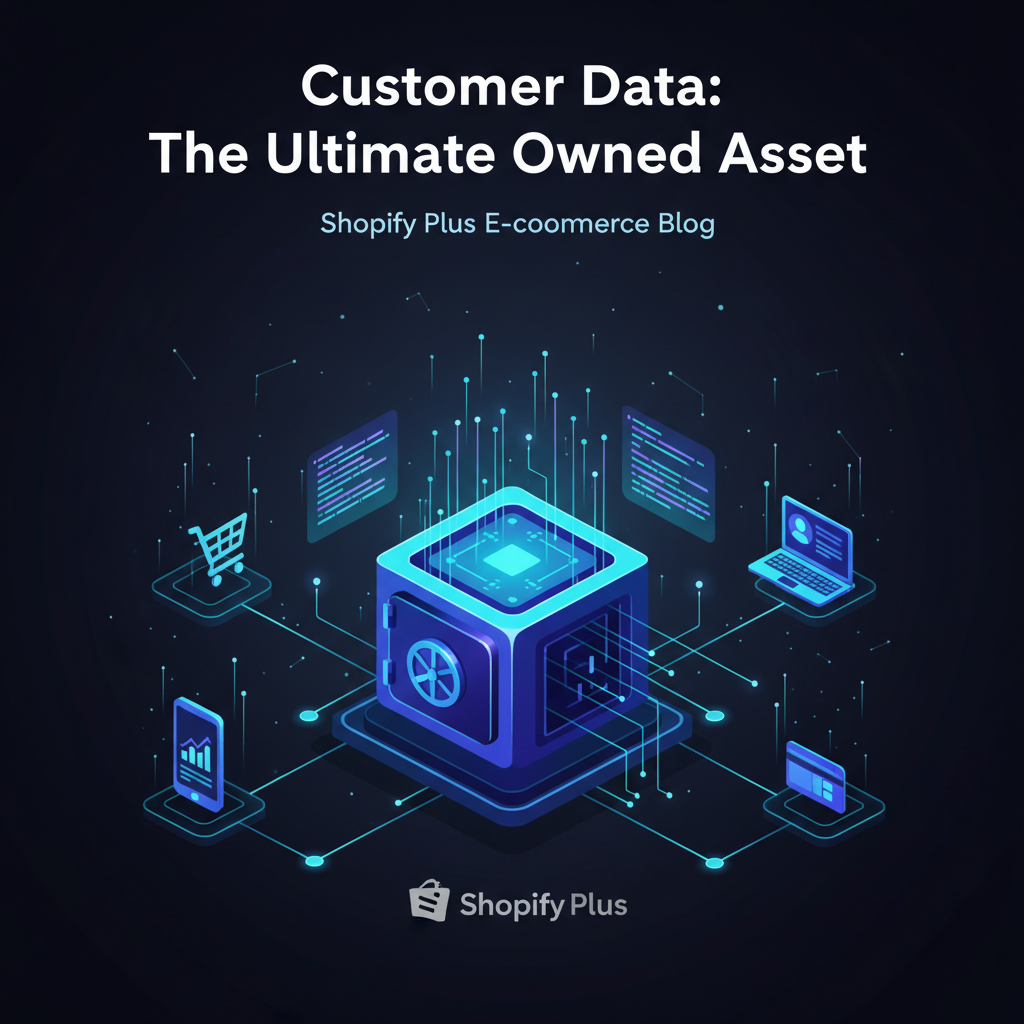
One of the primary risks of building on rented land is the lack of data transparency. When a customer interacts with your brand on Instagram or LinkedIn, the platform keeps the lion's share of the data. They know the customer's interests, their demographic profile, and their browsing habits. You, as the brand, get a sanitized summary. Owning your storefront on Shopify Plus changes this dynamic entirely. Deep integration with ERPs and CRMs allows you to own the full customer lifecycle. When you drive traffic from 'rented' platforms back to your 'owned' store, you gain the ability to track behavior, personalize experiences, and build a first-party data set that is immune to third-party cookie restrictions or platform policy changes. This data is the lifeblood of a modern enterprise. It informs product development, marketing spend, and customer retention strategies. Without owning the 'land' where the transaction and interaction take place, you are operating with one hand tied behind your back, forever dependent on the platform's willingness to share data with you.
The Hybrid Model: Using Distribution as a Catalyst

If your website is the store and social media is the billboard, then your syndication strategy must be the bridge that connects the two. Effectively 'owning the content' doesn't mean ignoring platforms; it means using them with a specific, conversion-oriented goal. Every post on LinkedIn, every thread on X, and every video on TikTok should be a teaser or a summary that links back to the long-form authoritative content on your Shopify Plus store. This creates a circular ecosystem where you leverage the massive reach of 'rented' platforms to fill your 'owned' funnel. We advise our clients to use Shopify Flow and other automation tools to streamline this process—ensuring that when a new guide or product is launched, the 'rented' channels are updated automatically to point back to the source. This protects the brand against sudden platform shifts. If a platform dies tomorrow, you haven't lost your content or your customers; you merely move your billboard to a different street. The store remains open, the data remains yours, and the business continues to thrive.
FAQ: What is content syndication and how does it work?
Syndication is the process of re-publishing your original content on other platforms like LinkedIn or Medium. The key is to publish on your own site first (your 'owned' land) and then share extracts or full versions elsewhere with canonical tags to ensure your site remains the primary authority in search engines.
FAQ: Isn't Shopify also a platform I don't own?
While Shopify is a platform, having a custom store on your own domain with their Plus architecture gives you total control over your customer data, brand experience, and backend logic. Unlike social media, you own the relationship with the customer and the database of your orders and content.
FAQ: Why is a custom domain so important for content strategy?
A custom domain is the foundation of digital ownership. It ensures that regardless of the backend technology you use, your brand's authority and SEO value stay with a name you legally control. It prevents 'platform lock-in' where moving your content would mean losing all your traffic.
Keep Reading
Shopify Plus vs Shopify: When Your Business Actually Needs to Upgrade
Shopify Plus is built for high-volume, multi-market, and B2B brands. These five signs tell you when the upgrade pays for itself.
3 min readMagento to Shopify Plus Migration: Complete Guide (2025)
This Magento to Shopify Plus migration guide covers data, SEO, integrations, and launch based on a real 50,000+ product furniture retailer case study.
8 min readThe Power of AI Agents: Driving Enterprise Growth on Shopify Plus
AI agents on Shopify Plus can handle market research, personalized recommendations, and content optimization, freeing teams to focus on strategy.
6 min readRelated Services
Explore More
- All Articles
- Case Studies
- Services Overview
- Why Shopify Plus
- Request a Strategy Call
- Tags: Content Strategy · Shopify Plus · E-commerce Strategy · Brand Equity · Digital Ownership
Secure Your Brand's Future on Shopify Plus
Ready to take full ownership of your enterprise commerce experience? Speak with our Shopify Plus experts to build a scalable, owned digital storefront.
Request a Strategy Call